
ELITE WATERSPORTS
Last updated 1-22-2026
What Big Air Kite Should I Buy?
Everything you need to know.

Best Big Air Kites: Real Rider Breakdown by Brand, Height Potential & Wind Reality
If you are chasing real height, this guide is for you.
Big air is not about casual jumps or cruising boosts on a mellow day. It is about loading your edge in powered wind, sending the kite with intent, and committing to a vertical climb that gives you both altitude and time. It is a discipline built around tension, timing, and control at the top of the window.
Riding in St. Pete and across Tampa Bay, we see everything from steady thermal sessions to full winter frontal systems pushing 25 to 30 knots with short-period Gulf chop. A kite that feels incredible in flat water can feel completely different when you are lit and the wind has teeth. That is where category differences become obvious.
This page breaks down the kites that truly define big air as we move into 2026. We are going brand by brand, explaining who each kite is built for, how it generates lift, how it recovers in loops, and where it makes the most sense in real wind.
Table Of Contents
- What is big air in kiteboarding?
- Big Air Kite Comparison – At a Glance
- What North kites are built for Big Air?
- What Naish kites are built for Big Air?
- What CORE kites are built for Big Air?
- What Ozone kites are built for Big Air?
- What Airush kites are built for Big Air?
- What Reedin kites are built for Big Air?
- How Do You Choose Between Big Air Kite Brands?
- Big Air Kite FAQ
- Elite Big Air Comparisons and Reviews
What is big air in kiteboarding?
Big air is a riding style centered on maximum vertical projection, extended hangtime, and controlled landings in powered conditions. Riders typically operate in 20 to 35 plus knots, edging aggressively to create line tension before sending the kite hard through the top of the window.
A true big air kite is engineered around a few core principles:
✔ It flies forward in the window rather than sitting deep.
✔ It converts speed into upward lift efficiently.
✔ It maintains canopy stability under high apparent wind.
✔ It recovers cleanly after powered loops.
That forward flight is what creates the climb. When you send a high aspect, five-strut platform in strong wind, the kite accelerates toward twelve o’clock and generates vertical lift rather than simply pulling you downwind. That is the difference between floating and climbing.

Not sure which Big Air kite fits your riding?
Use this guide as your quick filter, then narrow down the exact brand, model and size.
Ask the Shop
Hangtime matters just as much as height. The best big air kites do not just spike you upward. They give you a usable glide phase so you can spot your landing, prepare for a late loop, or adjust mid-air if the gust shifts. In places like Tampa Bay, where wind can ramp quickly during frontal days, that stability at the top becomes critical.
It is also worth saying this clearly: the kite provides the ceiling, but the rider provides the climb. Line length, board size, wind quality, and technique all influence how high you actually go. In clean 25-knot wind with proper edge control, high aspect big air platforms can produce serious altitude. In an inconsistent 18-knot chop, even the most aggressive kite will feel limited.
When we talk about the best big air kites, we are evaluating:
• Vertical lift profile
• Glide and hangtime control
• Loop authority and recovery window
• Stability in powered, real-world wind
With that foundation set, we can look at the brands that dominate this category.
Big Air Kite Comparison – At a Glance
If you want a fast decision overview before diving into each brand breakdown, this table highlights how the major big air platforms compare in height potential, loop speed, and ideal rider profile.
| Brand | Primary Big Air Model | Height Potenial | Loop Speed | Best Wind Range | Ideal Rider Profile |
|---|---|---|---|---|---|
| North | Orbit Series | High | Medium | 22–35+ knots | Structured height seekers, predictable loop recovery |
| Naish | Psycho | High | High | 22–35+ knots | Aggressive send timing, reactive steering preference |
| CORE | XR Series | Very High | Medium | 22–35+ knots | Glide-focused altitude, controlled descent |
| CORE | Pace Pro | Medium | High | 22–35+ knots | Loop-driven riders wanting faster rotation |
| Ozone | Edge Series | High | Medium | 22–35+ knots | Extended hangtime, composed canopy feel |
| Ozone | Vortex Ultra-X | Medium | High | 22–35 knots | Dynamic, reactive loop-focused riding |
| Airush | Lift | High | Medium | 22–35 knots | Clean vertical climb with structured canopy |
| Reedin | HyperModel | High | High | 22–35+ knots | Competition-style, powered big air sessions |
What North kites are built for Big Air?
North’s dedicated big air lineup centers around the Orbit platform. Each version is engineered for powered wind, vertical projection, and controlled loop recovery.
● North Orbit ● North Orbit Pro ● North Orbit Ultra
How does the North Orbit platform perform in Big Air?
The Orbit is North’s dedicated big air platform. It is built around forward flight, five-strut stability, and a clean vertical climb when sent hard in powered wind.
When you load and release, the kite drives aggressively toward twelve, converting board speed into clean vertical lift rather than horizontal drift. That upward drive is what gives the Orbit its reputation for consistent height.
In real Tampa Bay conditions, where gusts stack on top of chop, the Orbit holds shape under tension. It tracks predictably through the send and recovers cleanly after powered loops. That composure is what makes it such a reliable benchmark in this category.
If you want a deeper dive into construction, wind range, and real-world impressions, read our full North Orbit review here.
How does the North Orbit Pro change Big Air performance?
The Orbit Pro builds on the same big air foundation but sharpens the feel.
With lighter and more responsive construction, the Pro reacts faster to bar input and accelerates more quickly through the send. The climb feels more immediate, and loop initiation happens with less delay between input and canopy movement.
In strong wind, that added responsiveness creates a more dynamic takeoff and tighter control during powered kiteloops. The Pro rewards clean timing and confident edge control. It does not soften mistakes. It reflects them.
For riders pushing height ceilings or refining aggressive loop timing, the Pro offers a more performance-driven version of the Orbit platform.


What is the North Orbit Ultra designed for?
The Orbit Ultra takes the platform further into high-performance construction.
With reduced weight and a more refined frame, the Ultra responds instantly under load and feels especially precise during powered sends.
The result is a kite that feels lively and precise while preserving the vertical projection that defines the Orbit family. It is designed for riders who want maximum performance feel without stepping outside the big air category.
To compare all Orbit versions and see how they fit within the broader North lineup, check out the North Orbit blog post.
Who should choose the North Orbit platform for Big Air?
The Orbit lineup is built for riders who are consistently riding powered and want dependable vertical projection.
It fits:
✔ Riders sending in 20+ knots
✔ Kiteloopers who value predictable catch
✔ Intermediate riders stepping into serious height
✔ Advanced riders chasing competition-level altitude
If your sessions are typically underpowered or focused on waves, North offers better tools in other categories. But for strong-wind vertical riding, the Orbit family defines North’s position in big air.
To browse all North kites and see how they compare across categories, view the full North collection here.
What Naish kites are built for Big Air?
Naish’s big air identity centers around the Psycho platform, supported by legacy and crossover models that still deliver serious height in powered wind.
● Naish Psycho (Nvision & Dacron) ● Naish Phoenix ● Naish Pivot
How does the Naish Psycho platform perform in Big Air?
The Psycho is Naish’s dedicated big air machine. It is tuned for aggressive lift engagement, fast steering response, and strong pull through committed sends.
Under load, the Psycho climbs decisively. It accelerates through the top of the window with intent, producing a sharp, committed takeoff rather than a gradual float.
In powered conditions above 22 knots, it feels precise and authoritative. The canopy stays stable under heavy tension and drives confidently through loops. Riders who prefer immediate feedback tend to connect with this platform quickly.
For a full breakdown of wind range, construction, and real-world impressions, read our complete Naish Psycho review here.
Psycho Construction Options
▸ Nvision construction – Lighter and more performance-focused. Feels quicker through steering input and more immediate during aggressive sends and loops. Best for riders chasing maximum responsiveness.
▸ Dacron construction – More traditional frame feel. Slightly more grounded and familiar under load, especially for riders transitioning from freeride into dedicated big air platforms.
The choice is not about jump height. It is about how reactive you want the kite to feel when fully powered.


How does the Naish Phoenix compare for Big Air?
The Phoenix was Naish’s earlier dedicated big air platform. It delivered strong vertical lift and glide in steady wind and helped define Naish’s high-aspect big air identity before the Psycho.
Riders still flying the Phoenix will recognize familiar height characteristics, though the Psycho platform feels faster and more reactive overall.
If you want a deeper side-by-side breakdown of how the two platforms differ in lift timing, hangtime, and overall feel, read our full Naish Phoenix vs Naish Psycho comparison here.
Is the Naish Pivot good for Big Air?
The Pivot is a crossover model. While not a pure big air design, it boosts well in powered conditions and offers a more forgiving feel for riders who split time between freeride and height chasing.
It will not match the Psycho’s aggression or loop authority, but it remains a versatile option for riders who want height without committing to a dedicated big air platform.
If you want to compare how these models fit across the Naish lineup, explore the full Naish Line Up here.
Who should choose Naish for Big Air?
Naish big air kites suit riders who prefer a more reactive canopy and decisive steering response.
They work best for:
✔ Riders comfortable sending in powered wind
✔ Loop-focused riders who want fast rotation
✔ Heavier riders loading aggressively
✔ Advanced intermediates stepping into more dynamic takeoffs
If you prefer a slightly more dampened, composed feel, other brands may align better. If you like sharp feedback and immediate response, the Psycho platform delivers.
What CORE kites are built for Big Air?
CORE approaches big air through two distinct performance lanes: high-aspect glide platforms and faster, loop-driven designs.
CORE XR Series
XR8 ● XR Pro ● XR Pro 2 ● CORE Pace Pro ● CORE Air Pro
How does the CORE XR Series perform in Big Air?
The XR Series is CORE’s height-first big air platform.
Built on a five-strut, high-aspect architecture, it prioritizes efficient vertical lift and sustained glide in powered wind. When edged properly, the kite converts board speed into upward projection with a composed, tensioned canopy feel.
In strong Tampa Bay frontal wind, that structure becomes noticeable. The frame remains stable under heavy load and delivers consistent recovery after loops, allowing riders to spot landings without fighting canopy distortion.
Pro constructions such as the XR Pro and XR Pro 2 increase responsiveness through lighter materials and faster reaction to steering input. The overall lift profile remains height-focused, but steering feels sharper and loop timing becomes more immediate.
This platform suits riders chasing controlled altitude with predictable descent.
For model-specific breakdowns, explore the full XR reviews here:
⤷ XR8 Review
⤷ XR Pro vs Pro 2 Review
How do the CORE Pace Pro and CORE Air differ for Big Air?
The Pace Pro and CORE Air shift the feel toward faster rotation and a more dynamic send.
With lighter frames and quicker steering response, these kites accelerate through loops and feel more active under load. Takeoffs feel sharper and more immediate compared to the composed glide of the XR Series.
They are less focused on sustained hangtime and more tuned for riders who prioritize loop timing and canopy reactivity.
The Pace Pro sits higher on the performance spectrum, rewarding clean technique and powered commitment. If you are deciding between glide-dominant height and faster loop-driven performance, read our full CORE XR Pro vs Pace Pro comparison here.
The CORE Air offers a more accessible entry into dynamic big air without the stiffness profile of the XR platform. For a detailed breakdown of how the Dacron construction version of the Pace feels in powered wind, read our full CORE Pace Dacron review here.

Who should choose CORE for Big Air?
CORE big air riders typically fall into two profiles.
XR Series riders
• Height-first mentality
• Glide-focused sessions
• Structured canopy preference
• Strong-wind specialists
Pace Pro / Air riders
• Loop-focused riding
• Faster rotation preference
• More reactive canopy feel
• Riders stepping into dynamic sends
If your goal is tall, controlled vertical projection with extended hangtime, the XR Series defines CORE’s position in big air.
If you prioritize loop speed and responsiveness, the Pace Pro or CORE Air may align better.
If you are unsure where you fit, explore the full CORE lineup here.

What Ozone kites are built for Big Air?
Ozone approaches big air through a traditional high-aspect glide platform and a newer high-performance loop-driven design.
▸ Ozone Edge Series
● Edge V12 ● Edge VT
▸ Ozone Vortex Ultra-X
How does the Ozone Edge Series perform in Big Air?
The Edge Series has long been Ozone’s height-focused big air platform.
Built around a high-aspect, five-strut frame, it is designed for efficient vertical lift and sustained glide in strong wind. When sent with proper edge control, the Edge produces a tall, controlled climb and a steady float phase that gives riders time to prepare for landings or late loops.
In powered Florida frontal systems, the Edge feels composed under load. The canopy remains stable through gust spikes and maintains predictable tracking at the top of the window.
Across generations, the Edge Series continues to define Ozone’s glide-dominant big air identity.
For a deeper look at current performance characteristics, read our full Ozone Edge review here.
Other Edge Reviews:
⤷ V12 Review
⤷ VT Review


What is the Ozone Vortex Ultra-X designed for in Big Air?
The Vortex Ultra-X represents Ozone’s shift toward a more aggressive big air profile.
While still capable of strong vertical lift, the Vortex feels quicker through steering input and more reactive during powered sends. Loop initiation happens with less delay, and the kite accelerates rapidly through rotation.
Compared to the glide-focused Edge, the Vortex favors dynamic movement over extended float. It is built for riders who prioritize loop timing, canopy speed, and sharper bar feedback.
This platform suits confident riders pushing powered conditions who want a more energetic big air experience
Who should choose Ozone for Big Air?
Ozone big air riders generally fall into two categories.
Edge Series riders
• Height-first focus
• Extended glide preference
• Strong-wind sessions
• Structured canopy feel
Vortex riders
• Loop-focused riding
• Faster steering preference
• Aggressive send timing
• High-performance control in powered wind
If your goal is tall, controlled projection with dependable glide, the Edge Series defines Ozone’s traditional big air identity.
If you prefer sharper steering and a more reactive canopy under tension, the Vortex Ultra-X may align better.
To explore the full Ozone lineup, view the complete Ozone collection here.
What Airush kites are built for Big Air?
Airush’s big air presence centers around a high-performance lift platform supported by freeride models that still boost well in powered wind.
▸ Airush Lift
● Lift V3 ● Lift V4 ● Lift Team
▸ Airush Lithium V13/V14
How does the Airush Lift platform perform in Big Air?
The Lift is Airush’s dedicated big air design. For a deeper understanding on the V3 click here to read our blog.
Built around a five-strut, high-aspect frame, it prioritizes strong upward drive and controlled hangtime in powered conditions. When sent with commitment, the Lift converts board speed into vertical climb efficiently, producing a tall, decisive takeoff.
In gusty Tampa Bay wind, the platform remains stable under heavy tension. It tracks cleanly through the top of the window and delivers reliable recovery after loops, giving riders confidence when pushing height.
The Team construction versions increase responsiveness and sharpen steering input while maintaining the same lift-focused DNA.
This platform suits riders chasing structured altitude with dependable canopy stability.
For deeper model-specific performance impressions, read our full Airush Lift review here.

Who should choose Airush for Big Air?
Airush big air riders generally align with one of two profiles.
Lift riders
• Height-focused
• Strong-wind specialists
• Structured canopy preference
• Riders comfortable sending aggressively
Lithium riders
• Freeride-first mentality
• Occasional height sessions
• More forgiving canopy feel
• Riders building confidence in powered wind

Is the Airush Lithium v13/V14 good for Big Air?
The Lithium V13/V14 is primarily a freeride platform, but in powered wind it delivers solid boost potential.
Compared to the Lift, the Lithium feels more rounded and forgiving. It does not prioritize extended glide or aggressive loop authority in the same way, but it remains capable of strong vertical jumps when properly powered.
Riders who split time between freeride sessions and occasional height chasing often gravitate toward this model.
It is not Airush’s pure big air weapon, but it can deliver respectable altitude in the right conditions.

If your goal is dedicated vertical performance, the Lift platform defines Airush’s position in big air.
If you want a more versatile freeride kite that still boosts when powered, the Lithium may align better.
To explore the full Airush lineup, view the complete Airush collection here.
What Reedin kites are built for Big Air?
Reedin approaches big air through a dedicated performance platform supported by strong freeride-boost models.
● Reedin HyperModel ● Reedin SuperModel ● Reedin MasterModel
How does the Reedin HyperModel perform in Big Air?
The HyperModel is Reedin’s dedicated big air weapon.
Built around a high-aspect, five-strut frame, it emphasizes vertical acceleration and aggressive send timing. When powered and edged properly, the HyperModel delivers a sharp, committed climb with strong pull through the window.In high-wind sessions, the canopy remains structured under tension and drives confidently through loops. The takeoff feels assertive rather than gradual, and the lift phase transitions quickly into usable hangtime.
This platform suits riders who are comfortable riding powered and want a direct, competition-level big air experience.
For deeper performance breakdowns, explore our full Reedin HyperModel review here.

Is the Reedin SuperModel good for Big Air?
The SuperModel is Reedin’s high-performance freeride platform, but in powered wind it delivers serious boost potential.
Compared to the HyperModel, it feels more composed and slightly less aggressive through loop timing. It still produces strong vertical lift when properly powered, but its personality leans toward controlled freeride rather than competition-driven big air.
For riders in places like Tampa Bay who split sessions between freeride cruising and powered boosting, the SuperModel often becomes the practical choice.I
t will not feel as explosive as the HyperModel at the limit, but it remains highly capable in strong wind.

How does the MasterModel fit into Big Air?
The MasterModel sits further toward the crossover side of the spectrum. It boosts well when powered but does not prioritize aggressive loop authority or high-wind specialization.
Riders building confidence in stronger conditions may find it more forgiving than the HyperModel while still enjoying solid vertical lift.

Who should choose Reedin for Big Air?
HyperModel riders
• Competition-driven
• Loop-focused
• Comfortable in 25+ knots
• Chasing maximum projection
SuperModel riders
• Freeride-first
• Strong boost sessions•
Balanced performance
• Controlled canopy preference
MasterModel riders
• Developing riders
• Crossover sessions
• Confidence-building in powered wind
If you want Reedin’s most aggressive big air platform, the HyperModel leads.
If you want strong boost performance with freeride versatility, the SuperModel becomes the practical choice.

How Do You Choose Between Big Air Kite Brands?
Most big air kites fall into two performance personalities: glide-focused height machines or faster, loop-driven platforms. The right choice depends on whether you prioritize extended hangtime or aggressive rotation in powered wind. If you consistently ride 22+ knots and want maximum altitude, lean toward high-aspect glide designs. If you prefer sharp steering and dynamic kiteloops, lean toward reactive platforms.
Here’s the quick breakdown:
Big Air Brand Personality Comparison

If you want tall, composed float, look at high-aspect five-strut platforms.
If you want quicker loops and sharper response, look at faster, more reactive builds.
Simple. Clear. Decision-ready.
FAQ: Big Air Kite
What is the best kite for big air?
The best big air kites are high-aspect, stable platforms designed for powered wind and vertical lift. Models like the Orbit, XR, Edge, and Psycho are built specifically for height and controlled hangtime.
How much wind do you need for big air kiteboarding?
True big air typically requires 20 to 30+ knots. While you can boost in lighter wind, strong and consistent power is what creates real vertical projection.
Are 5-strut kites better for big air?
Five-strut kites often provide more stability and structure in strong wind, which helps maintain lift at height. Many glide-focused big air platforms use this design.
Is a high-aspect kite better for boosting?
High-aspect kites fly further forward in the window and convert speed into upward lift more efficiently. This makes them common in dedicated big air designs.
Can freeride kites be used for big air?
Yes, many freeride kites boost well when powered. However, they may not deliver the same extended glide or aggressive loop behavior as purpose-built big air platforms.
What makes a kite good for kiteloops in big air?
A strong big air loop kite recovers quickly after rotation and stays stable under load. Faster steering response and clean canopy tracking are key.
Is big air kiteboarding for beginners?
Big air is best suited for intermediate to advanced riders comfortable riding powered. Timing, edge control, and wind awareness are critical for safe progression.
What is the difference between glide-focused and loop-focused big air kites?
Glide-focused kites emphasize vertical height and hangtime. Loop-focused kites prioritize faster rotation and dynamic movement under tension.
Elite Big Air Comparisons and Reviews
If you want to go deeper into real head-to-head differences, these are the strongest big air comparisons we’ve published. Each one breaks down lift profile, loop timing, canopy stability, and how these kites behave when fully powered in 20 to 30+ knots.
If you’re narrowing your decision between two specific platforms, start here.
⤷ CORE XR Pro vs Pace Pro – Big Air Comparison - A direct breakdown of glide-focused XR Pro versus the faster, loop-driven Pace Pro. Ideal if you are deciding between maximum hangtime and sharper rotation in powered wind.
⤷ CORE XR Pro vs XR Pro 2 – What Changed? - Compare the two generations of CORE’s height-first big air platform, highlighting construction updates, steering response, and performance differences under heavy load.
⤷ Naish Psycho Dacron vs North Orbit Pro – Big Air Showdown - A head-to-head comparison of two dedicated big air machines, focusing on lift profile, loop recovery, canopy tension, and real strong-wind performance.
⤷ Naish Phoenix vs Naish Psycho – Big Air Evolution - Breaks down how Naish’s legacy Phoenix platform compares to the newer Psycho in terms of hangtime, steering aggression, and overall big air feel.
Why you should take Kiteboarding Lessons with Elite Watersports.
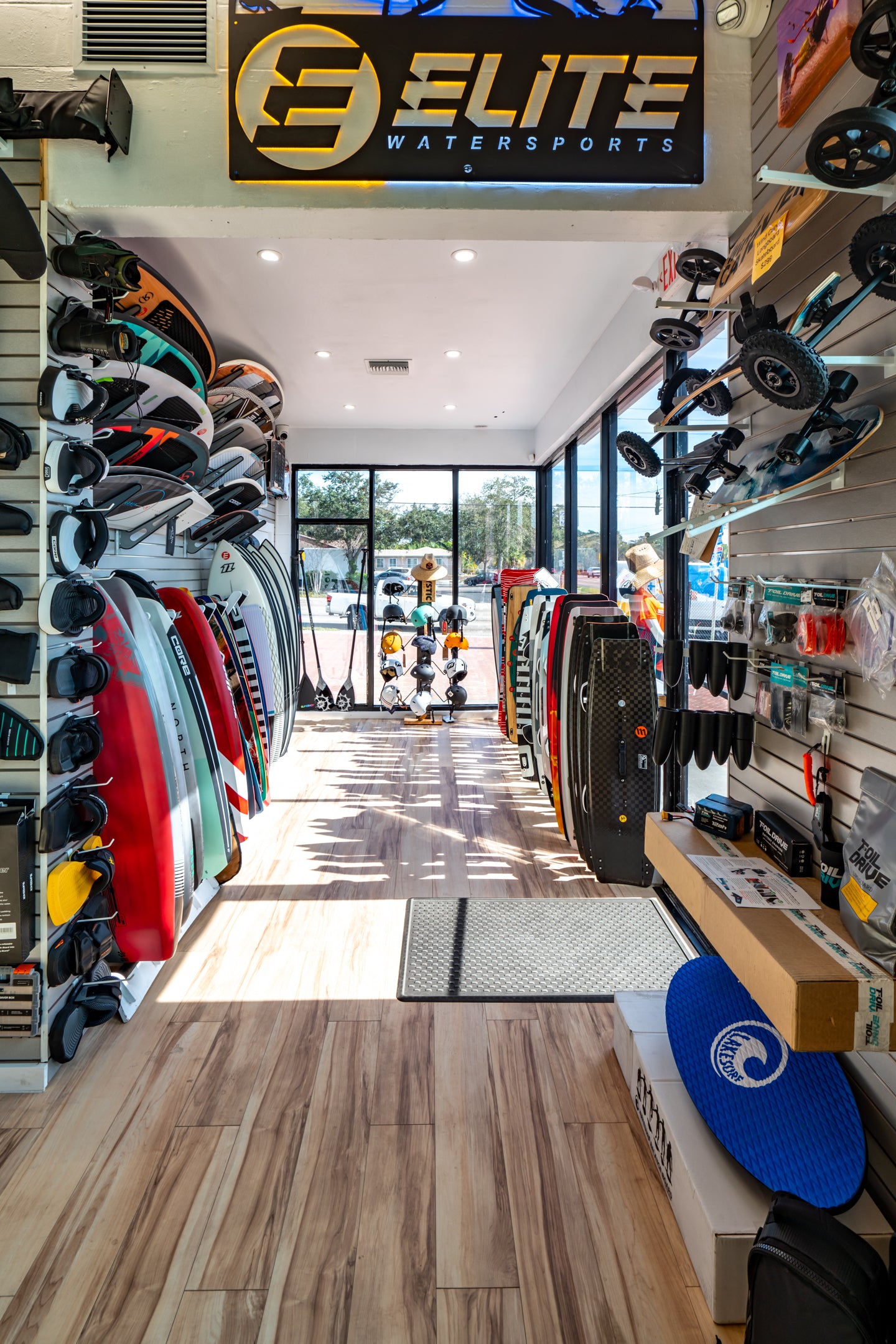
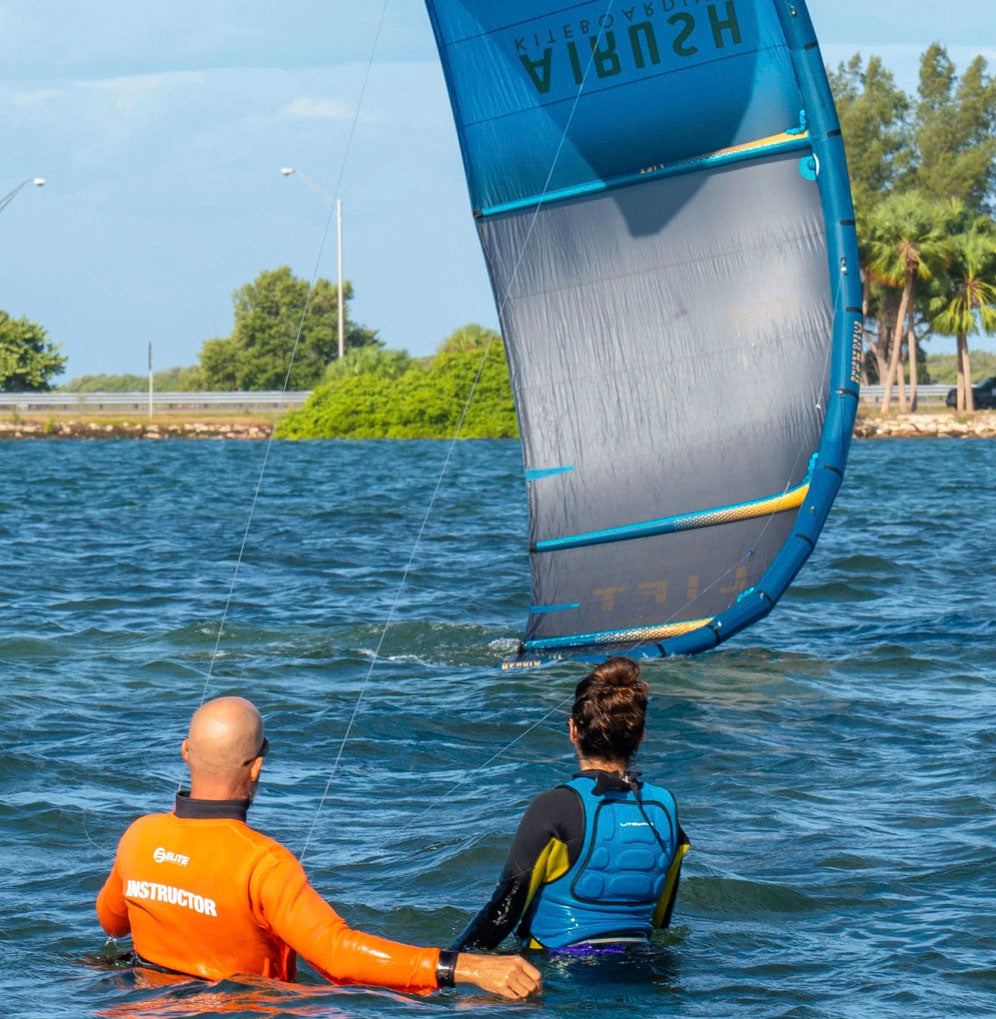
Elite Watersports has served the Tampa and St Petersburg area for years. They offer kiteboarding and wingsurfing lessons. They also have a retail shop equipt with the latest kitesurfing gear.
This is hands down the best location to learn kitesurfing. We have shallow, flat water and easy beginner conditions.
Call today and reserve your spot for jet-ski-supported lessons. If the wind is blowing, we're going!
If you need help give us a call. .
(727)-800-2202
Author

Ryan "Rygo" Goloversic
Rygo is a globally recognized kiteboarder, digital marketing expert and an advocate for wakestyle kiteboarding. When he's not writing articles, you can catch him competing on the KPLxGKA world tour or grinding it out in the gym.
Tags
Kiteboarding Florida Beaches
Want To learn more about kiteboarding?
Follow us to receive the latest update on our journey experience