
ELITE WATERSPORTS
Last updated 9-30-2025
Which Naish Kite Should I Buy?
Everything you need to know.

Which North Kite Should I Buy?
Choosing the right kite can be tricky, especially with so many great options from Naish.
Kiteboarding kites can be confusing. There are tons of models, and brands sometimes blur the lines by making every kite sound like it can do everything. While it’s true most modern kites are versatile, the reality is that each one is built with a specific use case and rider in mind. Over time I’ve found it’s easier to group them: every brand has a freeride kite, a big air kite, a wave kite, a freestyle kite, a foil/lightwind kite, and often a single- or no-strut option.
Naish is no different. They design each model with a clear purpose, freeride, big air, waves, freestyle, foil, and while there’s overlap, every kite has its own personality on the water. That personality even shifts year to year. Sometimes it’s subtle, sometimes it’s a big swing. I remember when they made the Pivot more user-friendly compared to its earlier, pro-leaning versions, that change opened the door for a whole new set of riders.
This guide breaks everything down in plain language. No spec-sheet jargon, no overhyped marketing. Just real rider feedback from St. Pete, plus my own time traveling the world with these kites, what each one does best, who it’s for, and how they stack up against each other.
We’ll cover the full 2025 lineup: from all-rounders like the Pivot, to big-air heavy hitters like the Psycho and Phoenix, to specialty foiling machines like the Boxer. You’ll get a feel for how each kite rides, which skills it rewards, and how to choose based on your local wind, experience, and goals.
Tip from Aaron McClearnon: Call us and demo the gear. Sometimes reading isn’t enough, you need to feel it in your own hands. We run demos, events, and rentals all year in Tampa Bay. We built this community for a reason, so stop by and say hello.
By the end, you’ll know which Naish kite fits your style. And if you’re local to St. Pete or Tampa Bay, you can demo them all with us at Elite Watersports.
Table Of Contents
- What factors should I consider
- The Naish Pivot
- The Naish Slash
- The Naish Boxer
- What’s the best Naish kite for freestyle and big air?
- The Naish Torch
- The Naish Phoenix
- The Naish Psycho
- The Naish NVision
- FAQ: Naish Kites 2025
What factors should I consider when choosing a Naish kite?
Before we dive into each model, let’s talk about how to actually choose. Every kite has a personality, and the right one for you depends on where you’re at, how you ride, and the wind you’re dealing with.
Does skill level matter?
Absolutely. If you’re brand new and still learning waterstarts, you’ll want stability, easy relaunch, and forgiveness. If you’ve got a season or two under your belt, you might be ready for something with sharper handling and more lift. The wrong kite for your level doesn’t just slow you down, it can make learning frustrating.
How does local wind affect your choice?
Here in Tampa Bay, we see a lot of 10–20 knot days with thermal sea breezes and the occasional cold front. That shapes which kites make sense. A foiler might want the Boxer to stay up in lighter thermals, while a big air rider will wait for those stronger north fronts to pull out the Psycho. The same kite that’s perfect in Maui might not work as well in St. Pete.
What about riding style?
Do you just want to freeride and cruise? Chase waves on downwinders? Boost big air and learn loops? Every Naish kite is tuned for a discipline, and while there’s overlap, choosing the right design for your goals will accelerate progression.
Does weight make a difference?
Yes. A 160-pound rider and a 220-pound rider won’t be on the same size in the same conditions. Heavier riders need more canopy area to generate the same pull. That’s why you’ll see different size recommendations on the beach, even when the wind is steady.
Should I buy for now or for progression?
A lot of riders buy for the rider they want to be in a year, not who they are today. That’s fine, but be smart about it. If you’re still figuring out the basics, don’t jump straight into a pro-level freestyle kite. You’ll learn faster (and have more fun) on something forgiving like the Pivot or Ride.
The Naish Pivot
2026 Naish Pivot Review: Q-Series vs Nvision vs LTD vs LW
In-depth comparison of all Pivot editions — find out which one fits your style and wind range.
Read the Full ReviewIs the Naish Pivot a good all-around kite?
If you don’t know where to start, start here. The Pivot has long been Naish’s most versatile kite, and for a lot of riders, it’s the only kite they need. It’s smooth, predictable, and tuned to handle just about everything, from freeride cruising to hooked-in jumps to small waves. Most importantly, it’s not picky. You don’t need perfect conditions or perfect technique to make this kite shine.
At the shop in St. Pete, we always say: if you’re looking for one kite to do most things well, the Pivot is hard to beat.

What makes the Pivot so versatile?
The Pivot’s three-strut frame balances stability with agility. It turns quickly without being twitchy, and it gives you steady pull through the window so you’re not fighting with gusts. The wide wind range means you can keep it in the air when the breeze backs off, but it also holds shape when the wind cranks. Relaunch is about as easy as it gets, pull on a back line and it pops up.
You can boost, carve, ride small surf, or even dabble in foil. Is it the absolute best at any one category? No. But it’s good enough in all of them that most riders never feel limited. That’s why you’ll see the Pivot on beaches around the world, from Florida’s Gulf Coast to international big-air contests.
Who should ride the Pivot?
Honestly, almost anyone. Beginners like it because it’s forgiving and stable, you don’t have to second-guess where the kite is. Intermediate riders stick with it because it’s still exciting once you start looping, boosting, and trying new tricks. Advanced riders use it as their everyday freeride kite, or as a go-to when conditions are variable.
We’ve seen brand-new kiters learn their first waterstarts on the Pivot, and we’ve watched seasoned locals throw massive boosts on the same kite. That’s the Pivot’s real strength, it grows with you.
If you’re unsure what to buy, or you ride in changing Florida winds and want a single kite to cover the majority of sessions, the Pivot is the safe and smart bet. And if you’re in St. Pete, come demo one with us at Elite Watersports and feel how intuitive it is from your very first tack. Call the shop at 727-800-2202 and we’ll set you up.
If you want to explore deeper technique breakdowns and how to push this kite, check Elite’s advanced kiteboarding techniques blog series.
Features:
- 3-strut all-around design, balanced bar pressure
- Smooth handling with versatile performance
- Boosts well for freeride and progression jumps
- Used by Naish riders in King of the Air
- Great “one-kite quiver” option
The Naish Slash
Is the Naish Slash a good kite for waves and strapless riding?
If you ride a surfboard, this is the kite in the Naish lineup built for you. The Slash is Naish’s dedicated wave and strapless freestyle kite. It’s tuned for drift, quick turns, and smooth depower, everything you need when you’re focused on the wave face, not the kite.
Read also:
Naish Slash Review 2025
What makes the Slash different?
The Slash has a narrower leading edge and a canopy profile that gives it excellent down-the-line drift. That means when you’re riding toward the kite or carving hard off the lip, it doesn’t collapse or yank you out of position. It just floats along until you need it again.
It also pivots tightly without a big surge of power. You can redirect instantly and keep your flow in the wave. The depower is smooth and progressive, so you can dump power mid-turn and pick it back up without losing balance. In gusty onshore wind, that stability makes all the difference.
I’ve ridden this kite in sloppy Gulf swell and on clean winter fronts, and the way it drifts makes it feel almost invisible at times, like you’re just surfing, with the kite quietly keeping you in the pocket.
Who should ride the Slash?
Intermediate to advanced surfboard riders are going to get the most out of this kite. If you’re chasing strapless airs, carving down the line, or doing long downwind runs in Florida chop, the Slash keeps you in control.
It’s not built for big air or heavy freeride, so we usually don’t recommend it as a one-kite quiver. But if your priority is surf or strapless progression, the Slash is the tool.
If you want to try one, we keep Slash kites in our demo fleet at Elite. Give us a call at 727-800-2202 and we’ll set you up to test it in real Gulf surf.
Read also Naish Triad Overview: Is This the Most Versatile Wave Kite in the Naish Lineup?
Features:
- Narrower leading edge for fast depower
- Excellent down-the-line drift
- Quick and responsive for wave riding
- Handles gusty conditions without pulling you off balance
- Suited for surf riders and downwind runs
The Naish Boxer
Is the Naish Boxer the best kite for foiling and light wind?
Yes. If you’re foiling or riding in marginal wind, the Boxer is the one. It’s Naish’s dedicated single-strut kite, built to stay in the sky when other kites fall out. In Florida’s 10–14 knot thermals, this is often the difference between sitting on the beach or getting a full session in.
What makes the Boxer so good in light air?
The Boxer’s single-strut frame keeps weight low without sacrificing stability. That lighter build means it drifts better and stays up in the air even when the breeze fades into single digits. You don’t have to work it constantly, sheet in and go, and it just pulls smoothly.
The bar pressure is very light, which foilers appreciate on long sessions. It’s responsive without being twitchy, so transitions are easier and you don’t feel like you’re fighting the kite when you carve. Relaunch is also quick, which matters in light wind where failed relaunch usually ends the session.
Aaron has said it best during demos: “If you’re trying to foil more often, this is the kite that makes those maybe-days rideable.”
Who should ride the Boxer?
Features:
- Single-strut lightweight desig
- Excellent low-end power for early planing
- Very light bar pressure, great for long foil sessions
- Forgiving in transitions, doesn’t stall easily
- Best choice for marginal wind or dedicated foilers
Read Also: Naish Boxer Review 2025: Light-Wind Foiling, Drift & Control
What’s the best Naish kite for freestyle and big air?
The Naish Torch
Is the Naish Torch still a true freestyle kite?
Yes, absolutely. The Torch is Naish’s classic C-kite, and it hasn’t lost its roots. It’s built for unhooked freestyle riding, handlepasses, mobes, and powered loops. While a lot of brands have moved toward hybrid shapes, the Torch has stayed true to what it’s meant to be: a performance kite for riders who want explosive pop and slack.
What makes the Torch different from other Naish kites?
The Torch is a 5-line design, which gives it that classic C-kite feel: aggressive pull on takeoff, then clean slack for unhooked tricks. The bar feedback is direct, the pop is sharp, and the loops are powerful. Unlike the Pivot or Phoenix, it doesn’t try to be a jack-of-all-trades, it’s unapologetically specialized.
Ryan’s take: “The Torch reminds me of competing on the KPL tour, it demands commitment. But when you edge properly and send it unhooked, nothing else feels the same.”
Who should ride the Torch?
This kite is for advanced riders only. If you’re serious about unhooked freestyle, this is the kite that will let you progress. It rewards precision, edge control, and timing.
For beginners or casual freeriders, the Torch is not forgiving, it punishes mistakes. But for riders chasing freestyle progression, it’s one of the few true C-kites still holding strong in a modern lineup.
If you’re curious but unsure if you’re ready, start by demoing a Torch at Elite. Aaron and the coaches can walk you through what it takes to relaunch, edge, and ride it properly. Call 727-800-2202 to set up a session.
Features:
- 5-strut open-arc design for huge lift
- Smooth sheet-in power delivery
- Long, floaty hangtime with forgiving landings
- Stable and predictable for easier timing
- Perfect for lofty jumps without extreme loops


The Naish Phoenix
Is the Naish Phoenix a good kite for big air?
Yes, but in a different way than the Psycho. The Phoenix is designed for riders who want massive lift and long, floaty hangtime. Instead of being hyper-aggressive or loop-focused, it’s tuned for smooth, sheet-in power delivery that lets you glide through the air with control.
What makes the Phoenix different?
The Phoenix uses a 5-strut open-arc design that prioritizes stability and lift. When you send it, the kite creates a steady pull upward instead of a snappy yank. That translates into longer, softer jumps that feel easier to time and more forgiving on landings.
It also excels at “sheet-in and fly” riding. You don’t need razor-sharp timing to get good height , just edge, send it, and let the canopy do the work. Compared to the Psycho, which thrives on aggression and commitment, the Phoenix feels friendlier and more approachable for riders stepping into big air.
Ryan’s note: “I’ve seen local riders go from their first 10-foot boosts to controlled 30-foot jumps on the Phoenix. It’s the kind of kite that builds confidence without punishing mistakes.”
Who should ride the Phoenix?
Intermediate to advanced riders who want to focus on jumping higher and floating longer. It’s not a beginner kite, but you don’t need to be a pro to enjoy it. If your goal is big jumps, controlled board-offs, or smoother loops, the Phoenix makes it easier.
It’s also a great choice for riders who want big air performance without the physical demand of the Psycho. If you’re in Tampa Bay waiting for those strong north fronts, the Phoenix will make the most of them.
We keep Phoenix kites in our demo fleet , if you want to feel that glide for yourself, call 727-800-2202 or stop by Elite Watersports to test one in real Gulf wind.
Read Also:
→ Naish Phoenix Review: Big Air Performance, Sizing & Who It’s For
→ Naish Phoenix vs Naish Psycho: Key Differences, Ride Feel & Who Each Kite Is For
The Naish Psycho
Is the Naish Psycho Naish’s top kite for loops and powered big air?
Yes. The Psycho is the most aggressive big air kite in the Naish lineup. While the Phoenix focuses on smooth lift and glide, the Psycho is built for height, power, and commitment. It’s tuned for loops, explosive sends, and riders who want to push past their comfort zone.
What makes the Psycho so powerful?
The Psycho uses a five-strut, high-aspect frame that stays rock solid even when fully powered. That structure gives it vertical boost, long glide, and stable recovery through loops.It comes in two builds:
- Dacron → more durable and affordable, with slightly heavier feel.
- Aluula → lighter, snappier, and more reactive , ideal for advanced riders chasing max performance.
On the water, the Psycho pulls hard when you send it, then whips through loops with a fast, predictable catch. It rewards clean edging and aggressive input. Riders who like to sheet in and cruise will find it demanding, but that’s the point , this kite is made to be pushed.
Ryan’s note: “The first time I looped the Psycho in 25 knots, I was blown away by how clean the catch was. You feel the height, the pull, and then that parachute-like recovery. It gives you confidence to go again.”
Who should ride the Psycho?
Intermediate to advanced riders who are serious about big air progression. If you’re already boosting consistently and want to learn megaloops or powered rotations, the Psycho is the kite to get you there.
It’s not beginner-friendly, and it’s not built for light wind cruising. But if you’re the type who waits for strong fronts in Florida or travels to windy destinations to send it, the Psycho belongs in your quiver.
We have the Psycho in both Dacron and Aluula builds at Elite. Call 727-800-2202 or stop by to test one on a demo day , it’s the quickest way to feel whether you’re ready for this level of kite.
Key Features
- Five-strut, high aspect ratio frame → made for upward lift, clean arcs, and stability during loops.
- Two builds: Dacron (durable, more affordable) and Aluula (lighter, more reactive) so you can choose performance vs price/weight trade-offs.
- Designed for intermediate → advanced riders focused on sends, loops, and powered landings. It’s aggressive but balanced.
Beginner riders could technically use the Pro , it’s stable and easy to fly , but we typically recommend the standard Code Zero until you’ve got a season or two under your belt. Most new foilers won’t notice the extra performance right away, and the cost might not make sense. But once you’re foiling consistently, you’ll absolutely notice what this kite unlocks.
The Code Zero Pro is one of those kites that gets better the more you ride it. The more time you spend foiling, the more you’ll appreciate what it does.
It’s not a “need,” but it’s a serious upgrade for committed riders. If you’re on a foil multiple days a week or you’re looking for a featherweight kite that performs in 6–10 knots with power to spare, this one is worth a look.
Read also:
→ Naish Phoenix vs Naish Psycho: Key Differences, Ride Feel & Who Each Kite Is For
The Naish NVision
Is the Naish NVision a high-tech big air kite?
Yes , but it’s more than just a big air machine. The NVision is Naish’s full Aluula-framed kite, designed to combine huge jumping ability with the efficiency and nimbleness that only lighter materials deliver. It sits between the Pivot and the Psycho: easier to ride than the Psycho, but sharper and more performance-driven than the Pivot.
What makes the NVision different?
The Aluula frame is the headline. By replacing traditional Dacron with this lighter, stiffer material, Naish shaved weight and improved responsiveness across the board. The kite flies further forward in the window, reacts quicker to bar input, and holds its shape in gusty wind.
That translates into:
- Earlier low-end power → you’re riding when others are waiting.
- Sharper steering → tighter loops, faster redirects.
- More efficient lift → higher boosts with less effort.

It feels like a performance kite, but without the raw aggression of the Psycho. You can freeride it comfortably, then load and send when the wind kicks.
Ryan’s note: “The first time I put the NVision in the air, the difference in steering was obvious. It felt light and connected, almost like downsizing a size. It’s the kite you take out when you want the efficiency of Aluula, but don’t want to give up comfort.”
Who should ride the NVision?
Intermediate to advanced riders who want high-performance without going full Psycho. If you want a kite that boosts, loops, and freerides with precision , and you’re ready to invest in premium materials , the NVision delivers.
It’s not a beginner kite, and it’s not as forgiving as the Pivot, but for riders chasing progression who also value versatility, the NVision hits a sweet spot.
We keep NVision kites available at Elite for riders who want to feel the difference Aluula makes. Call us at 727-800-2202 and book a demo , it’s the best way to see if the jump in performance (and price) makes sense for your riding.
Should I demo a Naish kite before buying?
Yes, especially if you’re deciding between models like the Pivot, Slash, Boxer, or Psycho. Specs and reviews can only take you so far; the feel of a kite in your hands is what seals the decision.
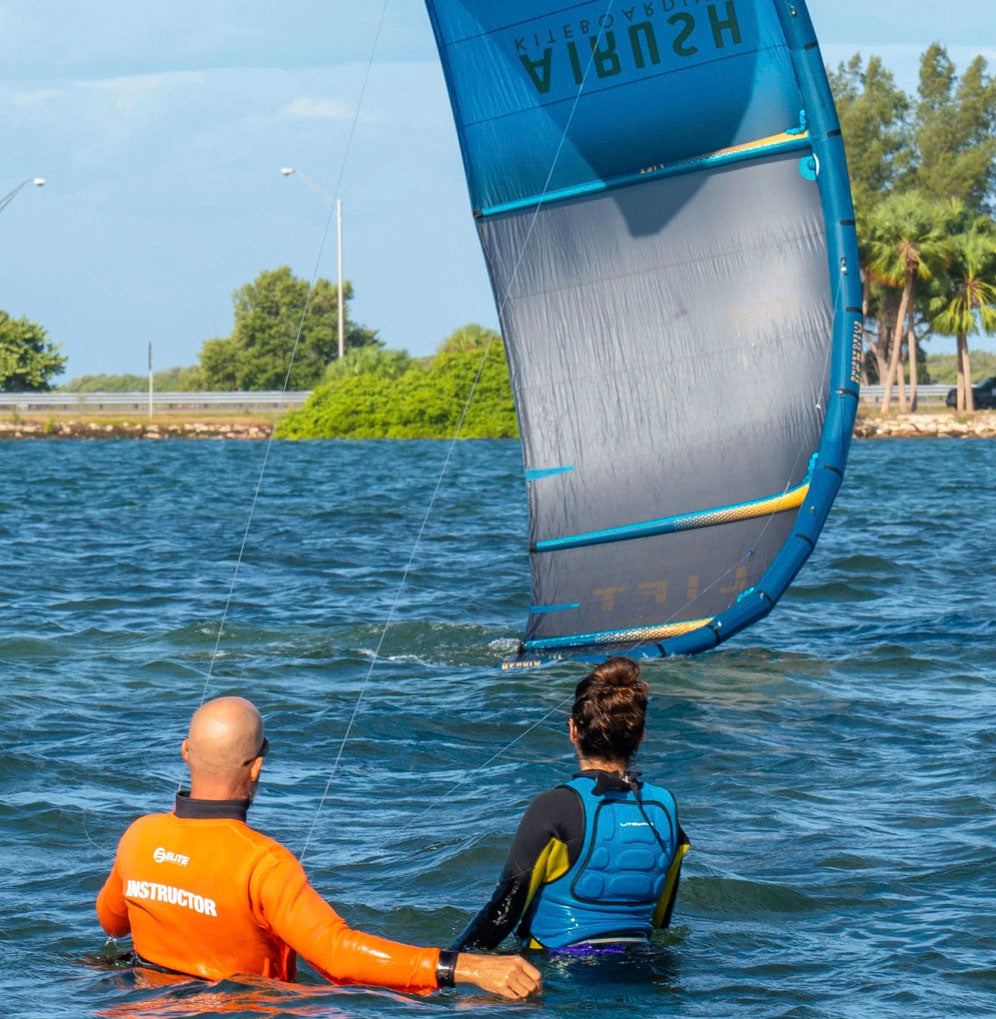
Elite runs demos year-round in Tampa Bay. You’ll get to try different models back-to-back in the same wind, which is the fastest way to tell if you like the feedback, bar pressure, and lift of a particular design. Pairing a demo with a kiteboarding lesson is even better, our coaches help you tune technique so you can focus on how the kite actually performs.
What size Naish kite do I need for my weight and local wind?
Kite size is the question everyone asks once they’ve picked a model, and it’s one of the hardest to answer without context. The truth is your perfect size depends on three main factors:
- Your body weight: Heavier riders need more canopy area to generate the same pull.
- Average wind at your local spot: In Tampa Bay, a common setup is a 12 m for 10–15 knot sea breezes and a 9 m for stronger cold fronts. Someone riding in the Gorge or Maui will size down.
- Your riding style: Freestylers may size up slightly for more power, while foilers often go down to smaller single-strut kites for control.
Most kiters don’t stop at one size. A two-kite quiver , for example, a 9 m and a 12 m , covers the bulk of Florida conditions for average-weight riders. That way, you ride more often instead of waiting for the perfect wind.
Here’s a rough chart to get you started: size.

If you’re unsure, check Elite’s kite size guide. Better yet, come out for a demo and we’ll put you on the right canopy for that day’s conditions.
Should I demo a Naish kite before buying?
Yes , and it’s the smartest move you can make before dropping money on a new kite. Specs, reviews, and even guides like this can only take you so far. The real test is how the kite feels in your hands, on your bar, in your local wind.
At Elite, we run demos year-round in Tampa Bay. You can try different Naish models back-to-back in the same session , a Pivot, then a Phoenix, then maybe a Boxer if the wind drops. That’s when the differences really click. You’ll feel how the bar pressure changes, how quickly each kite turns, and how they handle relaunch in our Gulf conditions.
Aaron always reminds riders: “Don’t just buy the kite you think looks best on paper. Fly it. That five-minute test on the water will tell you more than any review.”
Pairing a demo with a lesson makes it even more valuable. Our coaches ride alongside you, help tune your setup, and point out how the kite is reacting so you can focus on the feel instead of just staying upwind.
If you’re on the fence between two models , say the Pivot and the NVision, or the Phoenix and the Psycho , a demo is the fastest way to know which one actually fits your riding style.
Call us at 727-800-2202 or book a kiteboarding lesson to line up your demo day. We’ll put the gear in your hands and help you figure out which Naish kite belongs in your quiver.
FAQ: Naish Kites 2025
What’s the easiest Naish kite for beginners to control?
The Naish Ride is the most beginner-friendly option, but if you’re shopping at Elite, the Pivot is the best starting point. It relaunches easily, stays steady in the sky, and grows with you as you progress.
Can one Naish kite work for multiple styles like surf and freeride?
Yes. The Pivot is designed as an all-arounder that handles freeride, small surf, and even dabbling in big air. If you want one kite for multiple riding styles, this is the most versatile choice.
How do I know what size Naish kite to use?
Size depends on your weight, local wind, and style of riding. For example, a 170-lb rider in Tampa Bay usually rides a 12 m in lighter sea breezes and a 9 m when fronts push wind into the 20-knot range. Check Elite’s kite size guide for a full breakdown.
Which Naish kite is best for foiling?
The Boxer is the standout foil kite. Its single-strut design stays up in the lightest winds and has very little bar pressure, perfect for long foil sessions.
What’s the difference between the Phoenix and the Psycho?
Both are built for big air, but the Psycho is more aggressive and loop-focused, while the Phoenix delivers smoother, sheet-in lift and long, floaty jumps. If you want to push limits and loop, choose Psycho. If you want lofty, forgiving glide, go Phoenix.
How long will a Naish kite last?
With proper care, most Naish kites last 3–5 seasons. Construction is solid across the lineup, with reinforced seams and quality materials. The Psycho comes in both Dacron (durable) and Aluula (lighter, performance-driven) builds, which affects lifespan and care.

Find Your Perfect Naish Kite Today
The right kite comes down to your skill, style, and local wind, but you don’t have to figure it out alone. Elite Watersports stocks the full Naish lineup and puts them on the beach in real Tampa Bay conditions.
See the Naish kite collection, then book a kite demo or lesson to test your favorite models before you buy. Our team will match you to the kite that fits your goals and help you progress faster.
Why you should take Kiteboarding Lessons with Elite Watersports.
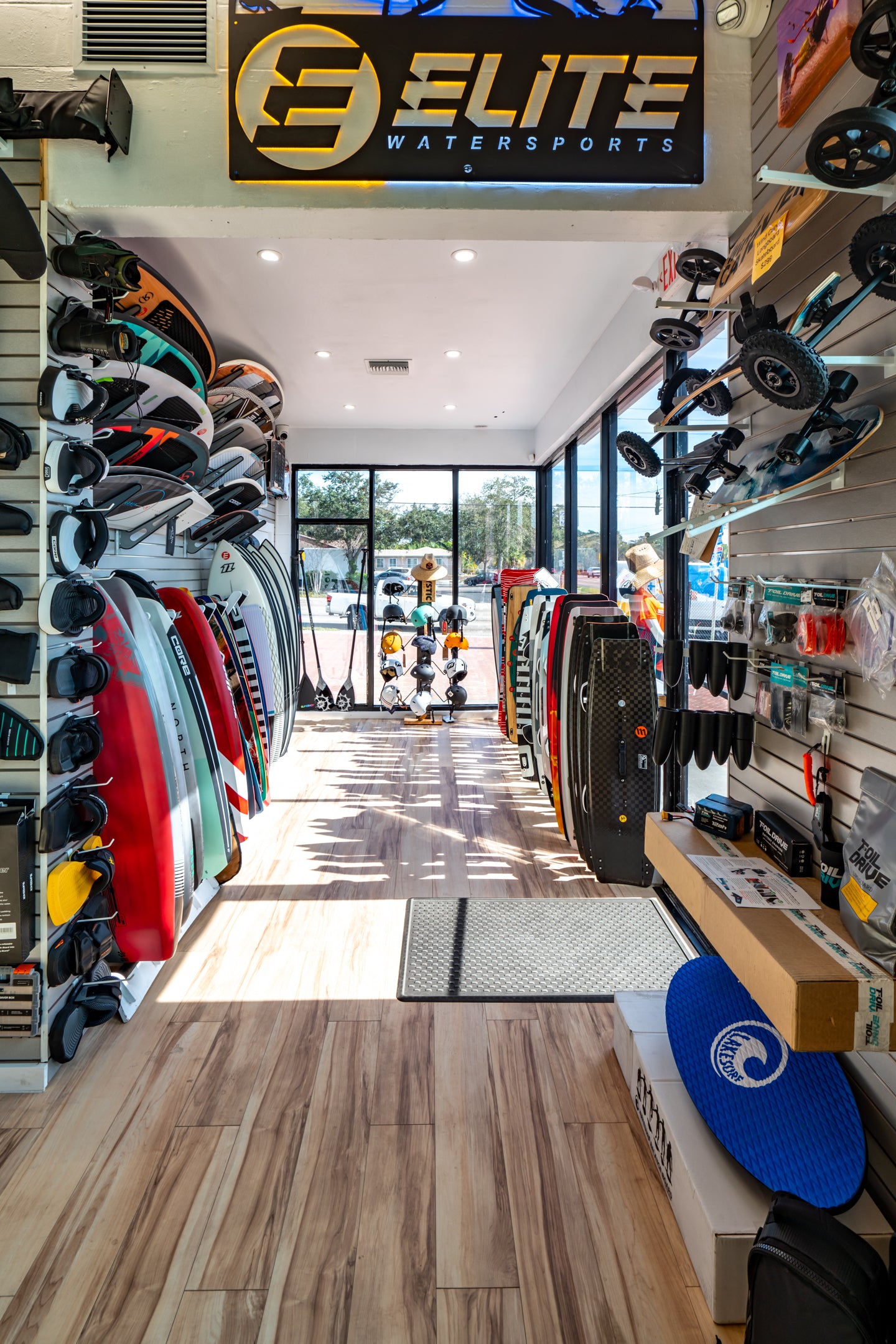
Elite Watersports has served the Tampa and St Petersburg area for years. They offer kiteboarding and wingsurfing lessons. They also have a retail shop equipt with the latest kitesurfing gear. This is hands down the best location to learn kitesurfing. We have shallow flat water and easy beginner conditions. Call today and reserve your spot for jet-ski-supported lessons. If the wind is blowing, we're going!
If you need help give us a call. .
(727)-800-2202
Author

Ryan "Rygo" Goloversic
Rygo is a globally recognized kiteboarder, digital marketing expert and an advocate for wakestyle kiteboarding. When he's not writing articles, you can catch him competing on the KPLxGKA world tour or grinding it out in the gym.
Tags
Kiteboarding Florida Beaches
Want To learn more about kiteboarding?
Follow us to receive the latest update on our journey experience